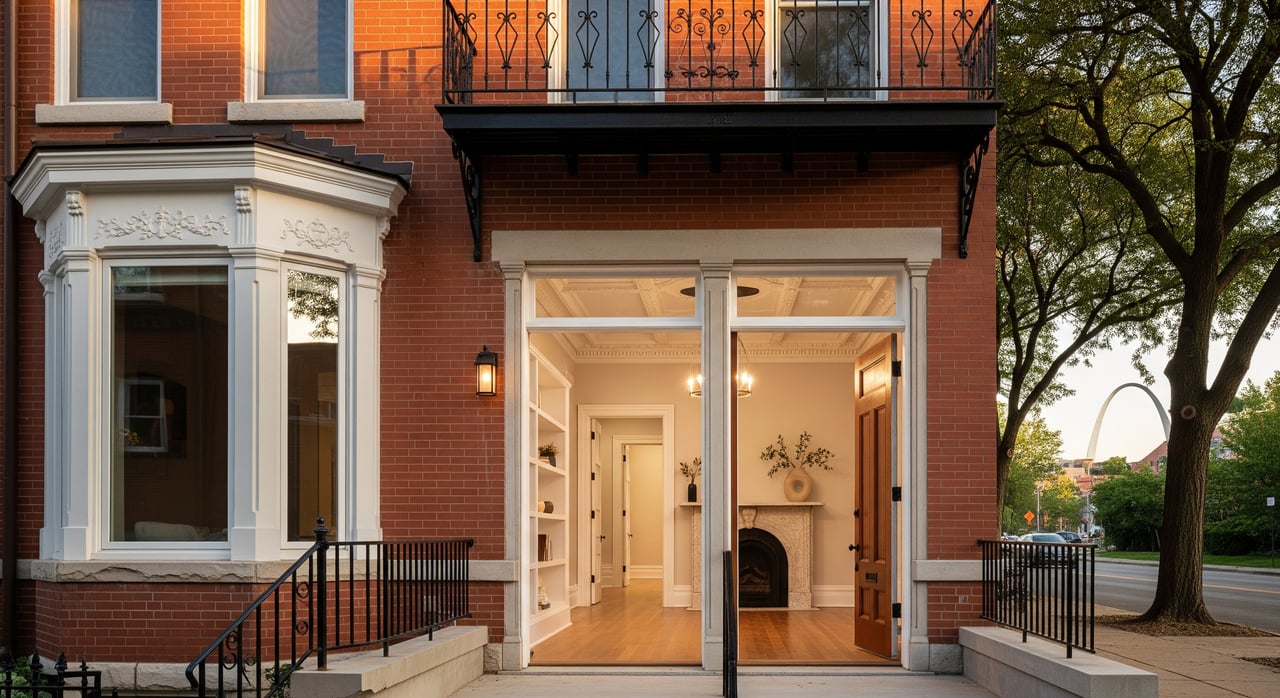
Buying your first home in St. Louis can feel exciting and a little overwhelming. You want a smart plan, clear steps, and local know-how so you do not miss anything important. In this guide, you will learn how to get pre-approved, what to expect from offer to closing, which inspections matter most here, and where to find local programs that may help with your down payment. Let’s dive in.
Start with pre-approval
Getting pre-approved first gives you a clear budget and helps your offer stand out. Your lender will review your credit, income, and assets, then issue a letter that shows sellers you are qualified. If you plan to use assistance, verify any lender approval and education course requirements early.
Bring these documents to speed up pre-approval:
- Government ID, last 2 pay stubs, and 2 years of W-2s or 1099s
- Recent bank statements and federal tax returns (often 2 years)
- A list of debts and assets, plus explanations for large deposits
- Business financials if you are self-employed
Explore common loan options:
- Conventional loans with flexible down payments, including some low-down programs for qualifying borrowers
- FHA loans that may allow lower credit scores and smaller down payments
- VA loans with zero down for eligible service members and veterans. Learn more on the VA’s official home loan page through the Department of Veterans Affairs.
- USDA loans for qualifying properties in designated rural areas. Review the USDA Rural Development overview for details.
- State-backed help through the Missouri Housing Development Commission. Check current MHDC programs for eligibility, down-payment assistance, and approved lenders.
For education and counseling that many programs require, start with HUD-approved housing counselors.
St. Louis buying timeline
Every purchase is unique, but most first-time buyers in St. Louis follow a similar path:
- Pre-approval: 1 day to 2 weeks, often 1 to 3 business days for simple files.
- House hunting: several weeks to a few months, depending on inventory and your wish list.
- Offer and negotiation: acceptance can happen within hours to a few days.
- Contract and earnest money: deposit is due right after acceptance per the contract.
- Due diligence: 10 to 30 days for inspections, appraisal, and underwriting.
- Inspection window: usually 7 to 14 days.
- Appraisal and underwriting: often 7 to 21 days and can run alongside inspections.
- Clear to close and final walk-through: usually the last week before closing.
- Closing: often 30 to 45 days after acceptance, depending on loan type and appraisal timing.
If you use down-payment assistance, allow extra time for documentation and education certificates.
Protect your offer with contingencies
Contingencies give you time to verify the home’s condition and your financing:
- Inspection contingency: Hire a licensed inspector to evaluate major systems and safety risks, then negotiate repairs or credits.
- Appraisal contingency: If the appraisal is below the contract price, you and the seller may renegotiate or you may bring extra funds if allowed by your loan.
- Financing contingency: Protects you if final loan approval falls through despite your good-faith effort.
- Title contingency: Review the title commitment for liens, easements, or restrictions.
- Lead-based paint disclosure: Required for pre-1978 homes. Review it with your agent and consider additional testing if needed.
Inspections that matter here
St. Louis has many older homes and basements, so pay attention to water management and structural items.
Top inspection priorities:
- Basement and foundation: Look for signs of water intrusion or movement.
- Roof and HVAC: Confirm age, condition, and service history.
- Plumbing and electrical: Older homes may have galvanized pipes, knob-and-tube wiring, or outdated panels.
- Radon testing: The region can have elevated levels. See guidance from the Missouri Department of Health and the EPA’s radon resources. If results exceed the EPA action level, you can negotiate mitigation.
- Termite/WDI inspection: Common in Missouri and often included.
- Sewer scope where indicated: Especially for older properties to check for breaks or root intrusion.
Down payment help and education
First-time buyers often mix a primary mortgage with assistance. Key resources include:
- State programs: The Missouri Housing Development Commission lists current mortgage products, down-payment assistance amounts, lender requirements, and homebuyer education rules.
- Local programs: The City of St. Louis and St. Louis County may offer aid when funds are available. Availability and terms can change, so confirm details directly.
- Education and counseling: Many programs require an approved course. Start early with HUD-approved housing counseling to avoid delays.
- Federal loan programs: Learn about zero-down VA options through the Department of Veterans Affairs and rural-eligibility loans at USDA Rural Development.
Always verify income and price limits, whether assistance is a grant or forgivable second, and any payback or occupancy rules.
Taxes, utilities, and local services
Carrying costs vary by location, and the city and county handle some services differently.
- Property taxes: The City of St. Louis and St. Louis County assess differently, and municipalities may add special assessments. Check official portals at the City of St. Louis and St. Louis County to review assessed values and tax records for a specific property.
- Utilities: Electricity and gas are commonly provided by regional utilities. Water, sewer, and trash can vary by municipality.
- Stormwater and sewers: The Metropolitan St. Louis Sewer District manages much of the region’s sewer and stormwater. Review fees and lateral repair policies at MSD Project Clear.
- HOAs: In some suburbs and newer developments, check HOA dues, rules, and reserves during due diligence.
Buyer-ready checklist
Use this quick list to stay organized from first call to closing.
Pre-approval documents:
- Photo ID, last 2 pay stubs, W-2s or 1099s for 2 years
- Recent bank statements and federal tax returns
- List of debts/assets, explanations for large deposits
- Proof of gift funds if applicable
During house hunting:
- Confirm your pre-approval letter and earnest money plan
- Ask for the Missouri Seller’s Property Disclosure
- Order inspections quickly, including radon and termite, plus sewer scope where indicated
- Verify school district boundaries, commute routes, and neighborhood-specific considerations
Under contract:
- Start any required homebuyer education now
- Provide lender documents promptly and schedule the appraisal
- Review title and address any exceptions
- Negotiate repairs or credits within the inspection timeline
Before closing:
- Complete your final walk-through
- Confirm cash-to-close and wire instructions with the title company
- Set utility transfer dates and review permits if you plan renovations
Ready to buy with confidence?
You deserve a guide who knows St. Louis block by block and can help you navigate financing, inspections, and timing with clarity. If you are thinking about your first home, let us walk you through each step and keep things simple. Reach out to Emily Bliss- Bliss Homes to start your plan today.
FAQs
How much do I need for down payment and closing in St. Louis?
- Your exact amount depends on loan type and assistance, but options range from zero down to traditional down payments, plus several thousand dollars in typical buyer closing costs.
How long does the homebuying process take in St. Louis?
- From contract to closing, many deals finish in about 30 to 45 days, with house hunting and any assistance approvals adding time on the front end.
Which inspections are most important for St. Louis homes?
- A full home inspection plus radon testing, termite inspection, and a sewer scope where indicated are common priorities, especially for older properties with basements.
Where can I find first-time buyer assistance in Missouri?
- Start with the Missouri Housing Development Commission for state programs and check the City of St. Louis and St. Louis County for local options.
What is the difference between City of St. Louis and St. Louis County costs?
- Property tax rates, assessments, and some service fees differ by jurisdiction, so review the property’s records on the city or county site to estimate your annual costs.