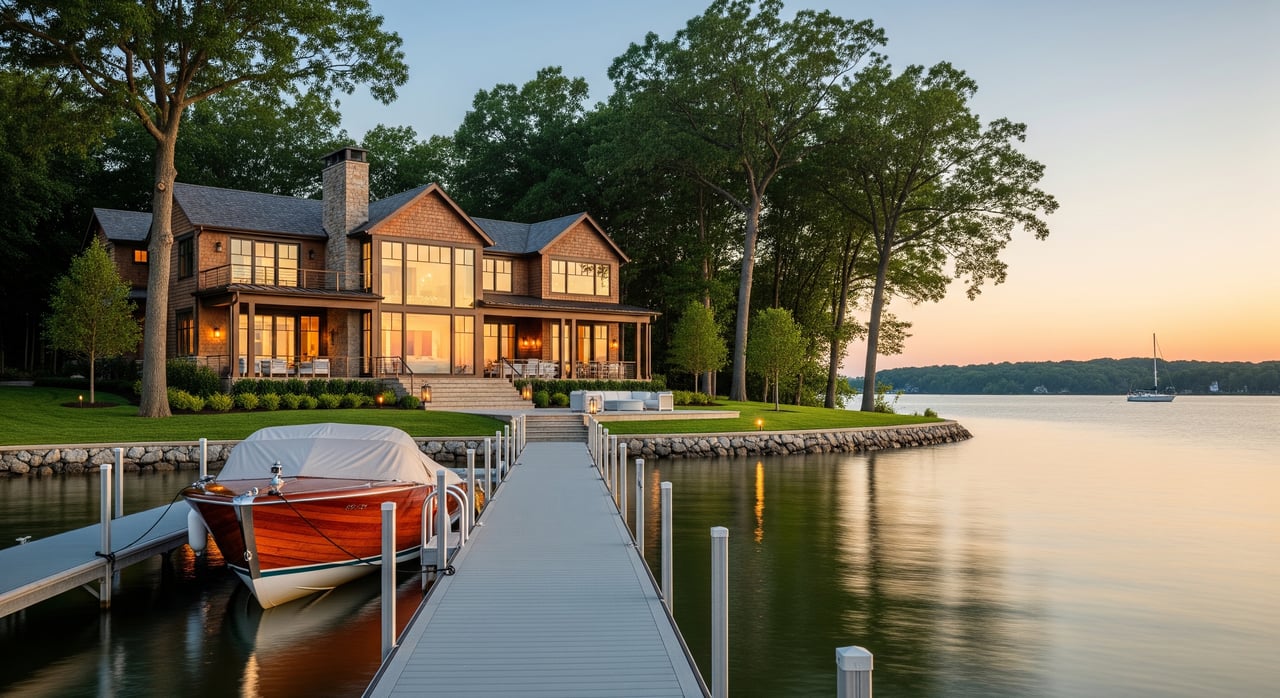
Imagine starting your day with coffee on the deck, watching the light move across calm water, and ending it with an easy sunset cruise. If you’re considering a lake home in Lake St. Louis, you’re likely picturing exactly that. You also want the facts about access, rules, costs, and what daily life actually looks like on the shoreline. This guide walks you through how waterfront living works here so you can decide if it fits your lifestyle and goals. Let’s dive in.
Lake St. Louis at a glance
Lake St. Louis is a lake-centered, master-planned community in St. Charles County. The lakes and many shoreline amenities are managed by local associations and guided by city ordinances. For official updates on services, permits, and city programs, check the City of Lake St. Louis.
Water access, boat rules, and community facilities vary by neighborhood and association. Before you buy, you’ll want to understand what’s included with each property and what requires a membership or permit.
Ways to live on the water
You’ll find three common access types, each with a different daily experience:
- Private waterfront lots. These often include direct water access and may have a private dock or deeded slip. Dock features and rights can vary by property.
- Association access. Some neighborhoods offer shared beaches, boat ramps, picnic areas, and community docks for members. Policies and fees are set by each association.
- Limited public access. Public ramps or parks may be limited or seasonal. Confirm availability and who manages them through association documents or city parks and recreation pages.
Ask for any recorded covenants or deed language that define access and docking rights. If a listing says “lake access,” clarify if it means private, shared, or membership-based.
Boating, rules, and lake safety
On the water, you’ll see pontoons, wake sports, kayaks, paddleboards, and fishing boats. Speed limits, no‑wake zones, and quiet-hour rules help balance fun with safety and shoreline protection. Rules are enforced by lake patrols and local authorities. For state boating laws and safety requirements, consult the Missouri State Highway Patrol Water Patrol.
If you plan to boat, budget time to register your watercraft and secure any lake stickers or permits. Ask about guest boat policies and whether there are waiting lists for slips.
Beaches, swimming, and water quality
Neighborhoods may include sandy beaches or designated swim areas. Some are staffed differently or unguarded, so review local rules before bringing young swimmers. Water quality can be seasonal. For advisories and public health updates, follow the St. Charles County Public Health department or your association’s notices.
If swimming is important to you, ask for recent water-quality reports and testing schedules. You can also ask about algae season responses and how beach closures are communicated to residents.
Fishing and everyday wildlife
You can expect a classic Midwest freshwater mix: bass, crappie, bluegill, and catfish. For species details and regulations, the Missouri Department of Conservation is your go-to. Keep an eye out for lakeside wildlife and practice good shoreline etiquette, especially during nesting seasons.
Homes, styles, and what buyers expect
Waterfront homes range from cottage-style and ranch to larger custom designs. Many feature big windows that face the lake, wide decks, and thoughtful outdoor spaces. Storage for kayaks and paddleboards is common. If you love to entertain, look for patios, outdoor kitchens, and fire pits.
For sellers, presentation matters even more on the water. Buyers look for clean sightlines to the lake, move-in-ready finishes, and well-kept docks and decks. Design-forward staging and minor updates can make views feel bigger and brighten interior spaces.
Maintenance you should plan for
Waterfront living comes with unique upkeep. Expect periodic dock repairs, deck staining, and potential seawall or shoreline-erosion work. Boats and docks may need winterization. Plan for seasonal chores like leaf cleanup in fall and shoreline checks after storms.
Association rules may govern dock design, lighting, and shoreline changes. Confirm what requires approval before you plan improvements.
HOA fees, insurance, and budget basics
Association fees may cover lake maintenance, patrols, beach upkeep, landscaping, and events. Fee structures and services vary by association. Request current budgets, minutes, and rulebooks during your due diligence.
Flood risk depends on the specific lot. Some properties may fall within FEMA flood zones and require flood insurance. Use the FEMA Flood Map Service Center to check addresses and ask for any available elevation certificates. To understand tax records or sales history, consult the St. Charles County Assessor.
Insurance costs can differ for waterfront homes. Ask local agents to quote homeowner and flood policies before you finalize an offer.
Daily rhythms through the seasons
Spring and summer bring boating, paddle sports, and lively weekends. Weekends and holidays can be busier, with more wake activity and guest parking. Fall is quieter, with great fishing and crisp lake views. In colder spells when surface ice forms, boating slows and shorelines feel peaceful.
If you value quiet, check on no‑wake zones and quiet-hour policies. Visit at different times of day and week to gauge the pace that fits you best.
Social scene and community life
Lake communities often have a strong social fabric. You may find boating clubs, sailing groups, fishing clubs, and holiday boat parades. To learn what’s active today, browse association calendars or local social groups and community boards.
If you enjoy a neighborly, outdoors-focused lifestyle, you’ll likely feel at home. If you prefer privacy, look for pockets with deeper lots or less dock density.
Smart due diligence for buyers
Use this quick checklist to move forward with confidence:
- Confirm the exact type of water access, including any deeded rights or shared-use rules.
- Request HOA documents, fee schedules, budgets, and rulebooks.
- Ask about boat permits, stickers, speed limits, no‑wake zones, and quiet hours.
- Verify whether a dock is permitted, shared, or requires approval for changes.
- Check flood status on the FEMA Flood Map Service Center and request elevation certificates if available.
- Review tax records through the St. Charles County Assessor.
- Order a title search to confirm shoreline easements, encroachments, or shared access.
- Ask about slip availability, waiting lists, and guest boat policies.
- Look up city permitting requirements on the City of Lake St. Louis site before planning construction.
- Visit at peak and off-peak hours to understand traffic, noise, and parking.
Is lakefront living right for you?
Choose lakefront if you love water access in your daily routine and you’re comfortable with the rules and maintenance that come with it. You’ll enjoy an outdoor-forward lifestyle, plus a strong community feel during peak seasons. If you want water views without full-time upkeep, consider homes with shared association access.
If you decide to sell, showcasing water views and outdoor spaces will draw the right buyers. Strategic staging, photography, and maintenance prep help you maximize value.
Your next step
Whether you’re buying or selling on the lake, you deserve a calm, informed process. If you want clear guidance on access rights, rules, and the design touches that help a lake home shine, connect with Emily Bliss- Bliss Homes. We’ll help you align lifestyle, budget, and timing so your waterfront move feels easy.
FAQs
What does “waterfront access” mean in Lake St. Louis?
- It can mean private shoreline with a dock, shared community access through an association, or limited public access; ask for deed language and HOA rules to confirm what you get.
Are there boating restrictions on the lakes?
- Yes. Expect speed limits, no‑wake zones, and quiet hours set by local authorities and associations; review HOA rules and the Missouri State Highway Patrol Water Patrol for state laws.
Do most lake homes include a dock or slip?
- Not always. Some docks are private or shared, and some slips are deeded or waitlisted; verify details in the listing, deed, and association documents.
Is flood insurance required for lakefront homes?
- It depends on the property’s flood zone. Check the address in the FEMA Flood Map Service Center and ask an insurance agent for a quote.
How busy does the lake get on weekends and holidays?
- Activity increases during warm months, especially on weekends and holidays; visit at different times and ask the association about event calendars and peak periods.
What ongoing costs should I plan for as a waterfront owner?
- Budget for HOA fees, dock and deck upkeep, shoreline maintenance, possible flood insurance, and seasonal services like winterization.