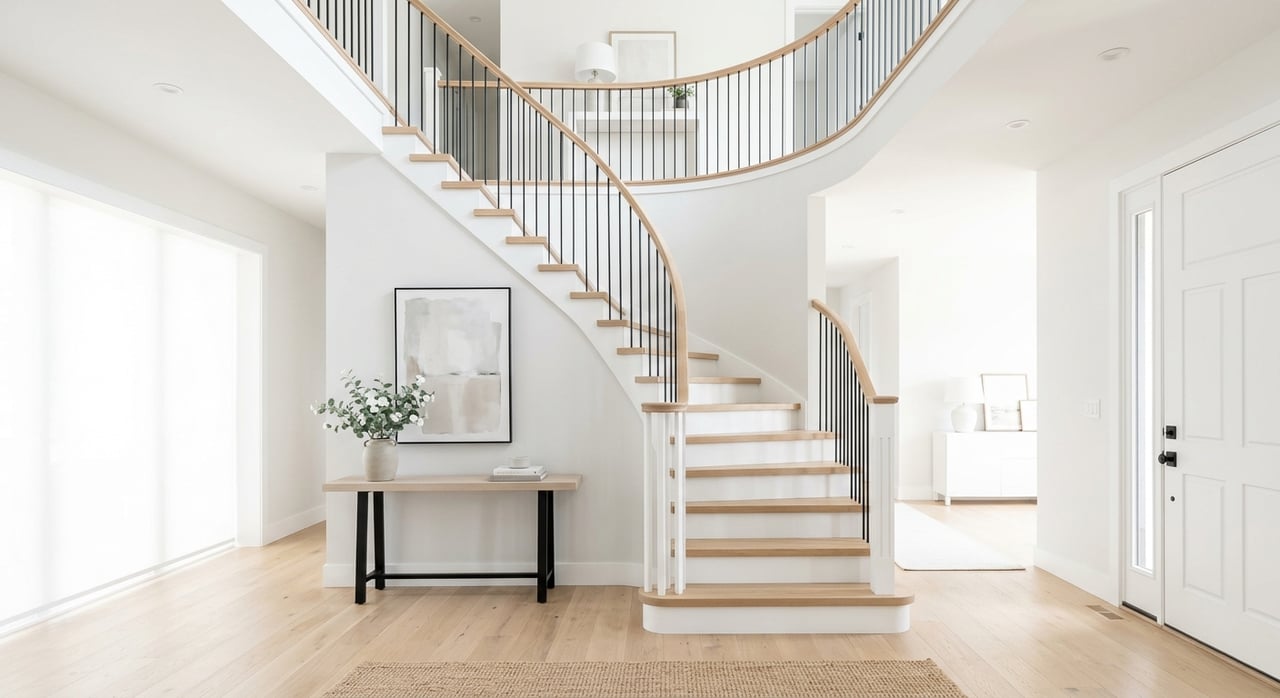
Wondering whether you should invest in staging or just sell your home as-is in St. Charles? It is a smart question, especially in a market where well-presented homes can move quickly, but weaker presentation can cost you time or price. If you are getting ready to sell, this guide will help you weigh the tradeoffs, understand what buyers are likely noticing, and choose the prep level that fits your goals. Let’s dive in.
What the St. Charles market suggests
In March 2026, Redfin reported that homes in St. Charles sold for a median of $384,100 in about 15 days, with a 100.5% sale-to-list ratio. For the broader county, the St. Charles County Association of REALTORS® reported a $400,000 median sales price for detached homes, 32 days on market, 100.2% of list price received, and 2.3 months of inventory in March 2026.
Those numbers come from different data sets, so they are best used as a general guide rather than a direct one-to-one comparison. Still, they point to the same takeaway: clean, well-priced homes are finding buyers, while homes with weaker presentation may need more time or a more aggressive price.
That matters even more if your home falls near the local median price range. In county MLS data from May 2024, the $350,001 to $400,000 range showed 703 sold homes and 7 cumulative days on market, which makes it a useful reference point for many St. Charles sellers deciding whether prep work is worth it.
Why staging can make a difference
Staging is not just about making a home look pretty. It helps buyers understand the space, imagine how rooms function, and form a stronger first impression when they first see the home online.
According to the 2023 Profile of Home Staging, 81% of buyers’ agents said staging made it easier for buyers to visualize the property as a future home. The same report found that 20% of buyers’ agents saw staged homes increase offers by 1% to 5%, and 14% saw increases of 6% to 10%.
Just as important, sellers’ agents commonly reported that staging slightly or greatly reduced time on market. In a market like St. Charles, where clean listings can move quickly, a stronger visual presentation may help you compete more effectively from day one.
Staging does not have to be expensive
Many sellers hear the word “staging” and picture a large bill or a major makeover. In reality, staging is often much more modest than people expect.
The same 2023 staging report found that the median spend was $600 when a professional staging service was used. When a seller’s agent handled the staging, the median spend was $400.
That is one reason partial staging or targeted prep often makes sense. You may not need a full redesign to improve your listing photos and showings. A few smart changes in the right rooms can go a long way.
What buyers notice first
If you are trying to decide where to spend time and money, start with the basics buyers and agents notice most often. In the staging survey, agents most commonly recommended:
- Decluttering
- Whole-home cleaning
- Removing pets during showings
- Minor repairs
- Carpet cleaning
- Depersonalizing
- Paint touch-ups
- Painting walls
- Landscaping outdoor areas
The rooms most often staged were also telling. The most commonly staged spaces were the:
- Living room
- Kitchen
- Primary bedroom
- Dining room
If your budget is limited, these are usually the areas to prioritize because they tend to shape both your online photos and the buyer’s in-person impression.
When full staging makes sense
Full staging is usually easiest to justify when your home will compete against polished listings or when empty rooms feel hard to read. It can also be a strong choice if your home is in a price range where buyers expect a more finished presentation.
In St. Charles County, that argument is strongest in the mid-market segment, where homes near the current median are still selling close to asking price. If your home is going to be compared to move-in-ready listings, full staging may help you protect both your price and your momentum.
Full staging can also help if your home has awkwardly sized rooms, an open layout that needs definition, or vacant spaces that feel smaller in photos than they do in person. Good staging gives buyers a visual roadmap, which can make your home feel more inviting and easier to understand.
When partial staging or light updates work best
For many St. Charles sellers, partial staging plus light updates is the sweet spot. This approach works well when the home is in solid condition but looks a little dated, feels too personalized, or needs a stronger first impression online.
Instead of trying to do everything, you focus on the changes buyers are most likely to notice. That often means decluttering, deep cleaning, touch-up paint, minor repairs, and staging the main living areas that drive the most emotional response.
This middle-ground strategy is supported by the staging survey. 50% of sellers’ agents said they did not fully stage homes but did ask sellers to declutter or address property faults.
For sellers who want a better result without taking on a full renovation or a large upfront bill, this can be a very practical path. It also fits the Bliss Homes approach of thoughtful presentation that feels polished, not overdone.
When selling as-is can be the right call
Selling as-is can still be a smart strategy. It usually makes the most sense when your top priority is speed, simplicity, or avoiding repairs and updates that may not deliver a clear return.
In that case, the tradeoff is often presentation versus pricing. If you are not improving condition or appearance, the market may expect a more compelling price to balance that out.
Local MLS price-band data helps show why. In St. Charles County in May 2024, lower and mid-range bands moved very quickly, including:
- $200,001 to $250,000: 4 CDOM and 0.29 months of inventory
- $300,001 to $350,000: 6 CDOM and 0.71 months of inventory
- $350,001 to $400,000: 7 CDOM and 1.09 months of inventory
Higher price points slowed more noticeably:
- $900,001 to $1,000,000: 3.86 months of inventory
- $1,500,001 to $2,000,000: 4.62 months of inventory
- $2,000,001+: 12 months of inventory
The takeaway is simple. An as-is sale can work, but the higher the price point or the more visible the condition issues, the more likely it is that buyers will compare your home against better-presented options.
What as-is does and does not mean in Missouri
If you decide to sell as-is, it is important to know what that really means. It means you may choose not to make repairs, but it does not mean you skip disclosures.
Missouri REALTORS® says the standard residential disclosure statement covers statutory disclosures along with adverse material facts, physical defects, environmental hazards, and repair history. Sellers are also expected to update the disclosure if new information comes up before closing.
Missouri law also requires written disclosure for known methamphetamine production and for properties that were a permitted or unpermitted solid-waste disposal site or demolition landfill. For most homes built before 1978, federal law requires lead-based paint disclosure before a buyer becomes obligated under contract.
The practical point is straightforward: if you know about an issue, as-is does not erase the need to disclose it. A clear, upfront approach helps reduce surprises later in the transaction.
How to choose the best path
There is no one-size-fits-all answer for every St. Charles seller. The best choice usually comes from comparing three realistic scenarios side by side:
- Sell as-is
- Make light updates and partially stage
- Fully stage before listing
For each option, compare the likely prep cost, expected sale price, and probable time on market against current local conditions. Given St. Charles city’s 15-day median days on market and the county’s 2.3 months of detached inventory, this kind of scenario-based review can be more useful than a general rule about whether staging is “worth it.”
If your home is close to the local median price point and will compete with homes that already look turnkey, partial staging and targeted repairs are often the most balanced choice. If your home is higher priced or visibly dated, a more complete prep plan may be easier to justify because buyers in slower segments tend to have more options and higher expectations.
A practical seller checklist
Before you decide, walk through these questions:
- Is your home vacant, dated, or heavily personalized?
- Will buyers compare your home to polished, move-in-ready listings?
- Are the living room, kitchen, primary bedroom, and dining areas photo-ready?
- Do you want the highest possible price, the simplest sale, or the fastest timeline?
- Would a modest prep budget feel manageable if it improved photos and buyer response?
Your answers can help narrow the right strategy quickly. In many cases, the best result does not come from doing everything. It comes from doing the right things in the right order.
If you want a clear plan for your St. Charles home, Emily Bliss- Bliss Homes can help you compare as-is, light-prep, and fully staged selling strategies so you can choose the one that fits your goals with confidence.
FAQs
Should you stage a home before selling in St. Charles?
- If your home will compete with clean, move-in-ready listings, staging or partial staging can help buyers visualize the space and may improve your online first impression, offer strength, and time on market.
Can you sell a house as-is in St. Charles, Missouri?
- Yes. You can sell a house as-is in St. Charles, but you still need to provide required disclosures about known issues.
What rooms matter most when staging a St. Charles home?
- The living room, kitchen, primary bedroom, and dining room are the rooms most commonly staged, making them strong places to focus if your budget is limited.
How much does home staging usually cost before listing?
- In the 2023 staging survey, the median cost was $600 for professional staging and $400 when the seller’s agent handled staging.
Does selling as-is affect your price in St. Charles?
- It can. Selling as-is may reduce prep costs and simplify the process, but it often means pricing more carefully to account for condition and presentation.
What disclosures still apply when selling as-is in Missouri?
- Missouri sellers still need to disclose known material facts, physical defects, environmental hazards, repair history, and any other required items that apply to the property.