Choosing between St. Louis city and suburban living can feel harder than it looks. You may love the idea of a walkable, close-in neighborhood, but also want more space, a larger yard, or a home that feels more turnkey. The good news is that both options can work well, depending on your budget, commute, and day-to-day priorities. Let’s break down the real trade-offs so you can move forward with confidence.
City vs. suburban feel
One of the biggest differences between St. Louis city and the suburbs is simple: density. According to U.S. Census QuickFacts, St. Louis city has about 4,885 people per square mile across 61.74 square miles, while St. Charles County has about 723 people per square mile across 560.50 square miles.
That gap shapes how each area feels on a daily basis. In the city, you are more likely to find a compact, neighborhood-based setting with homes closer together. In suburban areas, you will usually see more separation between homes, more land area, and a lower-density layout.
The same Census data also shows lower owner-occupied rates and smaller average household sizes in the city. In practical terms, that helps explain why the city often feels more mixed in housing types and household sizes, while suburban areas tend to have a stronger owner-occupied pattern.
Housing style and lot size
If home style matters to you, this may be the section that makes your decision clearer. The city and the suburbs often offer very different housing experiences, even when homes fall into a similar price range.
City homes often bring character
The City of St. Louis has 18 local historic districts, including 8 certified local historic districts. In many of these areas, exterior changes are reviewed against district-specific standards.
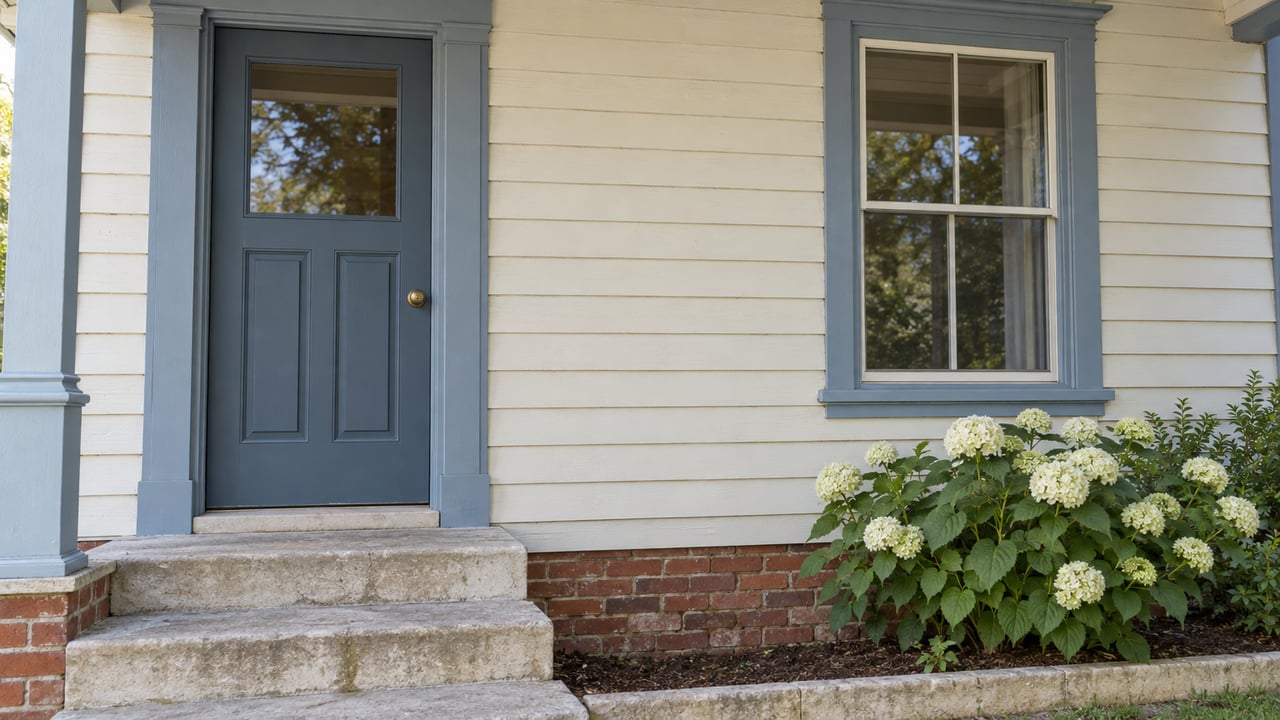
That means preservation and renovation are often part of the conversation when you buy in the city. If you are drawn to older architecture, brick homes, and details that feel tied to the history of a neighborhood, the city may offer more of what you want.
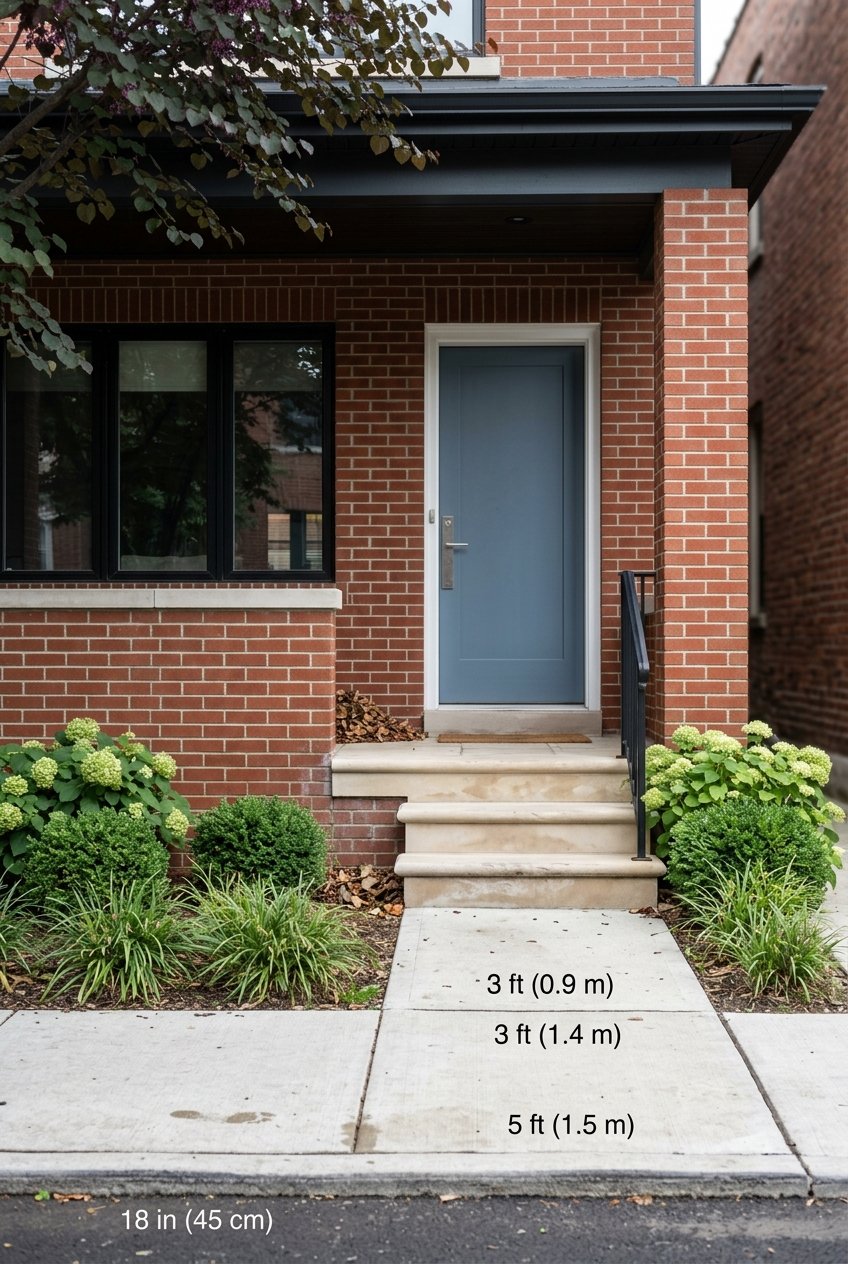
For example, the city describes Soulard as a neighborhood with two-story brick structures built at the street on narrow lots. That pattern reflects a more traditional urban layout, where homes sit close to sidewalks and lots are typically tighter.
Suburban homes often bring more space
In St. Charles County, development standards support a different pattern. County zoning and subdivision documents show single-family residential lots ranging from 7,000 square feet to 1 acre in some districts, and review rules also address large-lot subdivisions of 3 acres or more, based on the county’s design criteria manual.
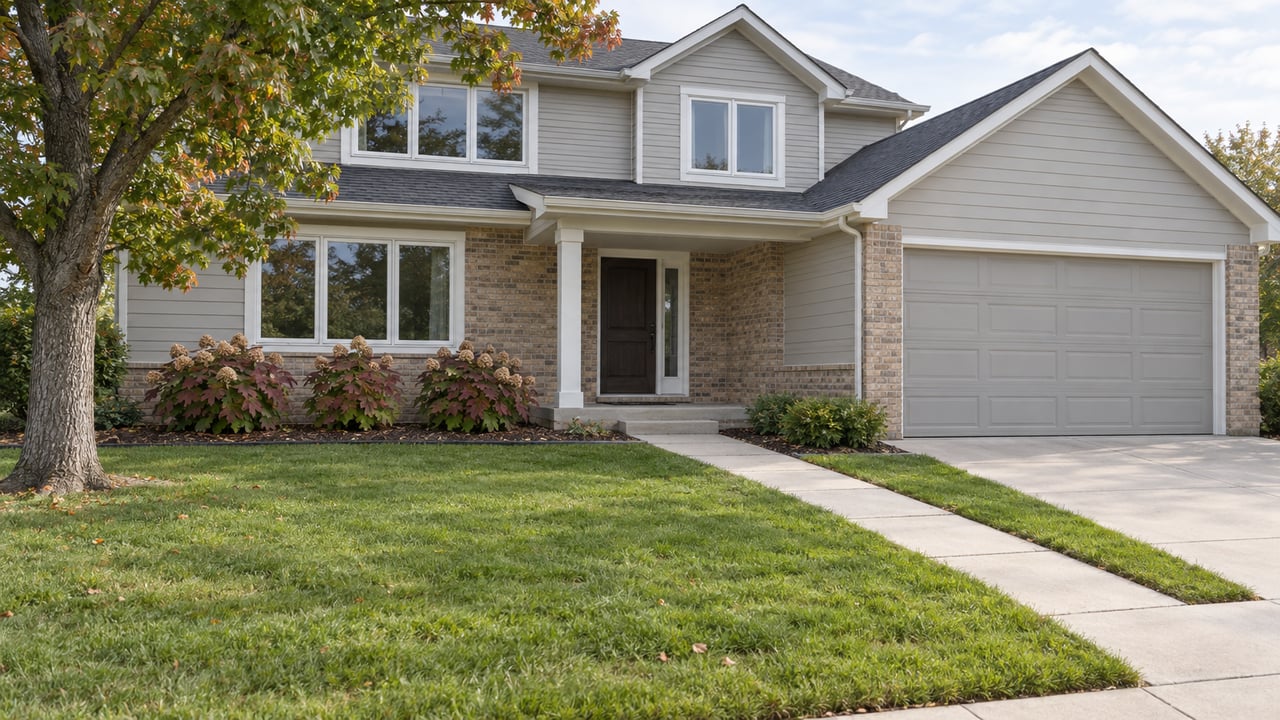
For you, that can translate into more yard space, more distance between homes, and a housing search that may feel more focused on standardized suburban layouts. If outdoor space, driveway room, or a broader lot line matters more than a close-in block pattern, the suburban side may be a better fit.
Commute and transportation
Your weekly routine matters just as much as the house itself. A home that looks perfect on paper may not feel right if the commute adds stress every day.
The Census reports an average commute time of 22.1 minutes in St. Louis city and 24.5 minutes in St. Charles County. That is not a dramatic difference, but over time, even a few extra minutes can affect your daily schedule.
City living may offer more flexibility
If you want more than one way to get around, the city often has an advantage. MetroLink operates a 46-mile light rail network with 38 stations in Missouri and Illinois, and trains run seven days a week from before 5 a.m. to about 1 a.m.
That does not mean every city neighborhood will be the perfect transit match for every buyer. Still, if rail access or transit flexibility is important to you, the city side is easier to consider as part of your search.
Suburban living often centers on drive time
In the suburbs, the transportation conversation usually shifts toward highway access and driving patterns. If you are comfortable with a slightly longer commute and want more home or yard space in return, that trade-off may make complete sense.
This is often where buyers start to get clarity. If your top priority is reducing drive time or keeping a rail option on the table, the city may rise to the top. If you want more space and are comfortable driving more often, suburban living may fit your routine better.
Budget differences to know
For many buyers, budget is the deciding factor. The numbers show a meaningful gap between St. Louis city and St. Charles County.
According to U.S. Census QuickFacts, the median value of owner-occupied housing units is $197,500 in St. Louis city and $320,800 in St. Charles County. Median gross rent is $997 in the city and $1,370 in the county. Median monthly owner costs with a mortgage are $1,487 in the city and $1,866 in the county.
Lower entry point vs. more space
In general, the city offers a lower median price point and lower median rent. That can make city living appealing if you want to keep your housing costs lower or widen your options within a given budget.
On the other hand, the suburban side often asks for a higher housing budget, but that budget may buy you more lot space and a more typical suburban product. For many buyers, the real question is not which option is better. It is which trade-off feels more worthwhile for your lifestyle.
Remember the broader monthly budget
House payment is only part of the picture. The same Census data shows median household income at $56,160 in St. Louis city and $104,692 in St. Charles County, which helps explain part of the pricing difference.
It is also important to note that the City of St. Louis levies a 1% earnings tax on individuals who work in the city. If you are comparing monthly costs, it helps to look at the full picture, including housing payments, commuting costs, and any tax impact tied to where you work.
How to choose what fits you
When buyers feel stuck between city and suburban living, the best next step is usually to narrow the choice to three practical filters: commute, space, and budget. Once you get honest about those priorities, the answer often becomes easier.
Choose based on commute priority
If you want the shortest possible commute or value access to rail transit, the city may be easier to justify. With slightly shorter average commute times and the MetroLink network in the mix, city living can support a more flexible routine.
If you are comfortable with a somewhat longer drive and care more about home size or yard space, the suburbs may be the stronger choice. This is especially true if your daily life already centers around driving.
Choose based on space priority
If more yard space and more distance between homes rank high on your list, St. Charles County’s zoning framework better supports that kind of search. Larger lot options are part of the suburban story.
If you are more drawn to older housing character, historic districts, and close-in blocks, the city may feel more natural. In that case, the layout and architecture may matter just as much as square footage.
Choose based on budget priority
If your biggest goal is finding a lower purchase price or rent, the city has lower median housing costs. That can open doors for buyers who want flexibility or who prefer to keep more room in the monthly budget.
If you are comfortable with a higher payment and want the trade-off of more space, the suburban side may deliver that better. Neither choice is automatically right. The best fit depends on what matters most to you.
A smart way to compare options
If you are still undecided, try comparing homes in both settings using the same checklist. This keeps the process grounded in facts rather than assumptions.
Ask yourself:
- How much space do you really want inside and outside the home?
- How important is commute time during a typical workweek?
- Do you prefer historic character or a more standardized suburban layout?
- What monthly payment range feels comfortable once commuting and taxes are considered?
- Would transit access improve your routine, or do you expect to drive most of the time?
When you compare homes through that lens, the right path often becomes much clearer.
Whether you are leaning toward the energy of the city or the extra breathing room of the suburbs, the best move is the one that fits your life now and supports your goals for the next few years. If you want help comparing neighborhoods, home styles, and price points across the St. Louis area, connect with Emily Bliss- Bliss Homes for thoughtful, local guidance tailored to your move.
FAQs
What is the main difference between St. Louis city and suburban living?
- The biggest difference is density. St. Louis city is much denser, while suburban areas such as St. Charles County typically offer more space between homes and a lower-density layout.
Is St. Louis city or the suburbs more affordable?
- Based on U.S. Census data, St. Louis city has lower median home values, lower median rent, and lower median monthly owner costs than St. Charles County.
Do St. Louis city homes usually have smaller lots?
- In many city neighborhoods, yes. The city includes traditional urban housing patterns, such as narrow lots and homes built closer to the street, while suburban development often supports larger lots.
Is commuting easier from St. Louis city?
- It can be, depending on your routine. The city has a slightly shorter average commute time and more transit flexibility because of the MetroLink rail network.
Are historic districts common in St. Louis city?
- Yes. The City of St. Louis has 18 local historic districts, and exterior changes in many of those districts are reviewed under district-specific standards.
How should I decide between St. Louis city and suburban areas?
- Start with your top priorities: budget, commute, and space. If you know which of those matters most, it becomes much easier to identify the best fit for your move.